+86 311 8533 5186
In professional applications, precision is not optional—it is essential. Among the key performance indicators of hand tools, torque accuracy plays a critical role in ensuring reliability, safety, and consistency. Whether in automotive assembly, construction, or industrial maintenance, improper torque can lead to equipment failure, safety risks, and increased operational costs.
This article explains what torque accuracy is, why it matters, and how businesses can ensure optimal performance when selecting and using hand tools.
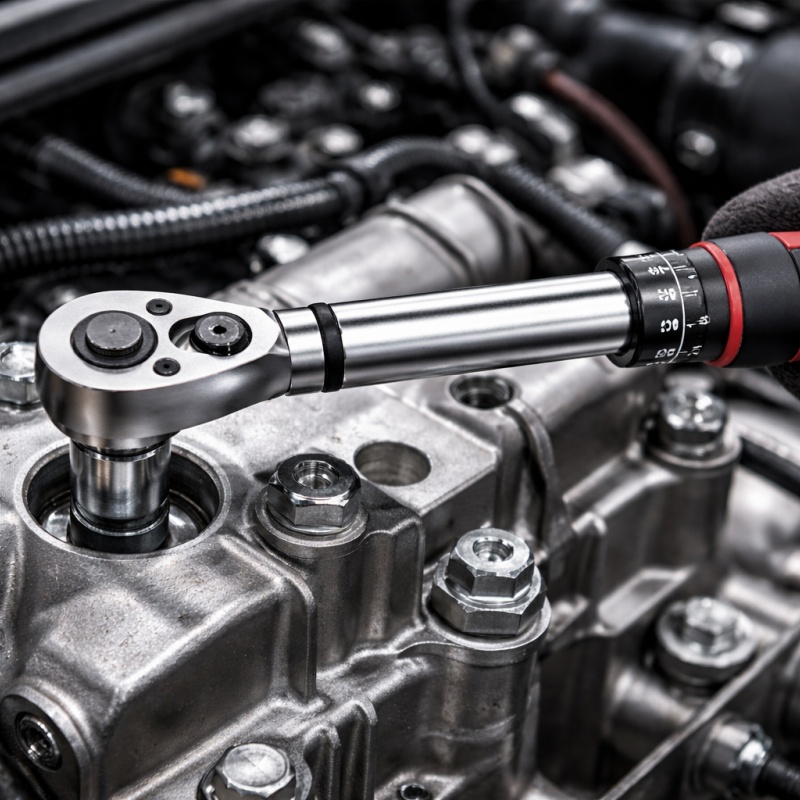
Torque accuracy refers to how closely a tool can apply the intended torque value compared to its actual output. It is typically expressed as a percentage tolerance (e.g., ±3% or ±5%).
For example:
A torque wrench set to 100 Nm with ±3% accuracy will deliver between 97 Nm and 103 Nm.
Higher torque accuracy means greater consistency and reliability in fastening applications.
1. Ensures Product Quality and Consistency
In manufacturing and assembly lines, consistent torque application is essential to maintain product standards. Over-tightening or under-tightening fasteners can result in defective products, leading to rework or returns.
2. Improves Safety and Compliance
Incorrect torque can compromise structural integrity, especially in industries like construction, automotive, and energy. Accurate torque helps meet international safety standards and reduces the risk of accidents.
3. Reduces Maintenance and Warranty Costs
Improper fastening often leads to premature wear, loosening, or failure. Using tools with high torque accuracy minimizes maintenance frequency and lowers long-term service costs.
4. Enhances Operational Efficiency
Reliable tools reduce the need for repeated adjustments and inspections, improving workflow efficiency in professional environments.
Automotive assembly and repair
Industrial equipment installation
Construction and structural fastening
Electrical and mechanical maintenance
OEM manufacturing and production lines
In these sectors, even small deviations in torque can lead to significant operational issues.
1. Tool Quality and Design
High-quality materials and precise engineering ensure stable torque output over time.
2. Calibration Frequency
Regular calibration is essential to maintain accuracy. Professional environments often follow scheduled calibration cycles.
3. User Technique
Improper handling, such as inconsistent force application or incorrect positioning, can affect torque results.
4. Environmental Conditions
Temperature, humidity, and wear can impact tool performance and measurement accuracy.
1. Choose Certified Tools
Select tools that meet international standards such as ISO or DIN, ensuring reliable accuracy levels.
2. Implement Regular Calibration
Establish a calibration schedule to maintain tool performance and compliance.
3. Train Operators
Proper training ensures consistent and correct usage, reducing human error.
4. Work with Reliable Suppliers
Partnering with experienced manufacturers ensures access to consistent quality, technical support, and customization options for bulk orders.
Torque accuracy is a critical factor that directly impacts product quality, safety, and operational efficiency. For buyers, investing in high-precision hand tools is not just about performance—it is about reducing risks and optimizing long-term costs.
If you are sourcing torque tools for wholesale or OEM projects, choosing the right supplier and ensuring proper usage standards will significantly improve your overall business outcomes.
Contact us today to learn more about our precision-engineered hand tools and customized solutions for your market.
What is considered good torque accuracy for hand tools?
Typically, ±3% to ±5% is considered acceptable for professional-grade torque tools, depending on the application.
How often should torque tools be calibrated?
In industrial environments, calibration is usually recommended every 6 to 12 months, or more frequently with heavy use.
What happens if torque accuracy is too low?
Low accuracy can lead to over-tightening or under-tightening, resulting in equipment damage, safety risks, or product failure.
Are all torque tools equally accurate?
No. Accuracy varies based on design, material quality, and manufacturing standards. Professional-grade tools offer significantly better consistency.
Can user error affect torque accuracy?
Yes. Incorrect handling, improper angles, or inconsistent force can reduce the effective accuracy of even high-quality tools.

Copyright © Sinotools Industrial All Rights Reserved.. Technical Support:

 Live Help