+86 311 8533 5186
In the hand tool industry, material selection directly affects performance, durability, and long-term reliability—especially for professionals who rely on their tools every day. Among the most widely used materials, Chrome Vanadium (Cr-V) and Carbon Steel remain the two most common choices in wrenches, screwdrivers, pliers, sockets, and various heavy-duty tools.
So how do these two materials differ, and which one offers better value for specific applications?
This article breaks down the characteristics, advantages, and practical uses of Cr-V and Carbon Steel to help buyers and technicians make informed decisions.
Chrome Vanadium is an alloy steel containing chromium and vanadium, designed for high strength and corrosion resistance.
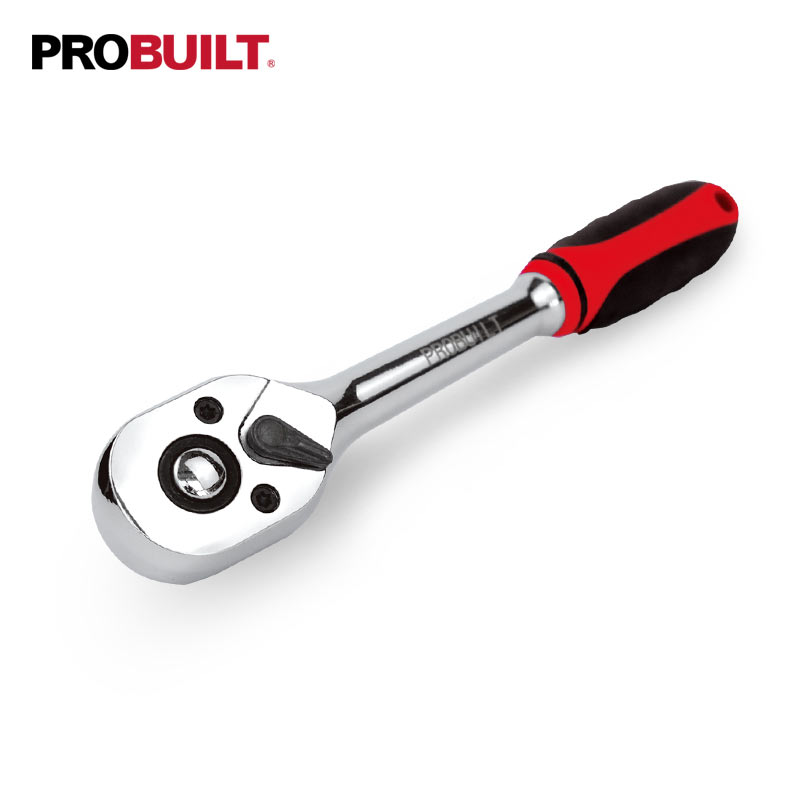
It is commonly used in wrenches, sockets, ratchets, screwdrivers, and impact-rated tools.
High Strength & Toughness
Ideal for torque-intensive tasks without cracking or breaking.
Excellent Corrosion Resistance
The chromium content provides strong oxidation protection—suitable for workshops and humid environments.
Long Service Life
Maintains integrity even under repeated heavy loads.
Often Used with Mirror or Satin Finishes
Enhances appearance and improves wear resistance.
Best For: General professional hand tools, automotive tools, torque-intensive applications.
Carbon Steel contains mainly iron and carbon. Depending on carbon content, it can be categorized into low, medium, and high carbon steel. Many chisels, hammers, blades, pliers, wire cutters and heavy cutting tools use carbon steel.
Extremely Hard Cutting Edge
After proper heat treatment, carbon steel provides sharp, long-lasting edges.
High Wear Resistance
Ideal for tools that repeatedly strike, cut, or shear material.
More Affordable Material
Suitable for large-scale manufacturing with cost efficiency.
Requires Anti-Rust Protection
Carbon steel is strong but prone to oxidation without coating.
Best For: Cutting tools, striking tools, blades, woodworking tools, heavy-duty pliers.
| Chrome Vanadium | Carbon Steel | |
| Strength | High | Medium–High (depending on carbon level) |
| Toughness | Excellent | Good |
| Hardness | Moderate | Very High |
| Rust Resistance | Very Good | Low |
| Best For | Wrenches, sockets, screwdrivers | Hammers, chisels, cutting tools |
| Cost | Slightly higher | More cost-effective |
The “better” choice depends on how the tool will be used:
Choose Chrome Vanadium if you need:
High torque strength
Corrosion resistance
Long-lasting performance for mechanical or automotive work
Tools used in humid or outdoor environments
Choose Carbon Steel if you need:
A very hard, sharp cutting edge
Durable striking heads (hammers, chisels)
Better cost efficiency for large-volume procurement
Tools primarily used for cutting, shaping, or impact
In short: Cr-V is ideal for torque tools; Carbon Steel is ideal for cutting and striking tools.
Both Chrome Vanadium and Carbon Steel play essential roles in professional hand tool manufacturing. Rather than asking which material is universally better, it’s more practical to evaluate the specific application, torque requirements, and working environment.
A well-rounded hand tool lineup will often include both materials to achieve the best performance and durability across different tasks.
If you are looking for hand tool solutions or OEM manufacturing support, feel free to contact us. Our team offers a wide range of high-quality tools built with both Cr-V and Carbon Steel materials to meet various professional needs.

Copyright © Sinotools Industrial All Rights Reserved.. Technical Support:

 Live Help