+86 311 8533 5186
When it comes to working on various projects, having the right tools is crucial for efficiency and precision. Among the essential hand tools, ratchets and wrenches are often compared, as they serve similar functions but are designed for different purposes. Understanding the unique features of each will help you decide which tool to use for specific tasks. In this article, we will explore the key differences between ratchets and wrenches and provide tips on how to choose the right tool for your project.
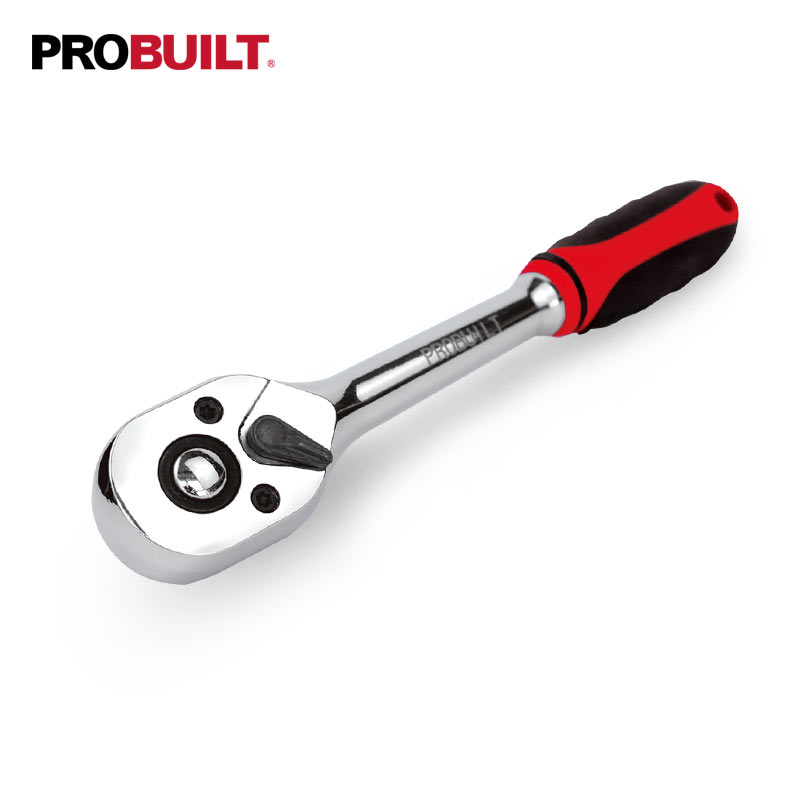
A ratchet is a type of tool that features a ratcheting mechanism, allowing the user to turn fasteners without having to remove the tool from the fastener. This is accomplished through a mechanism that moves in one direction and locks in the opposite direction, making continuous rotations possible without needing to reposition the tool.
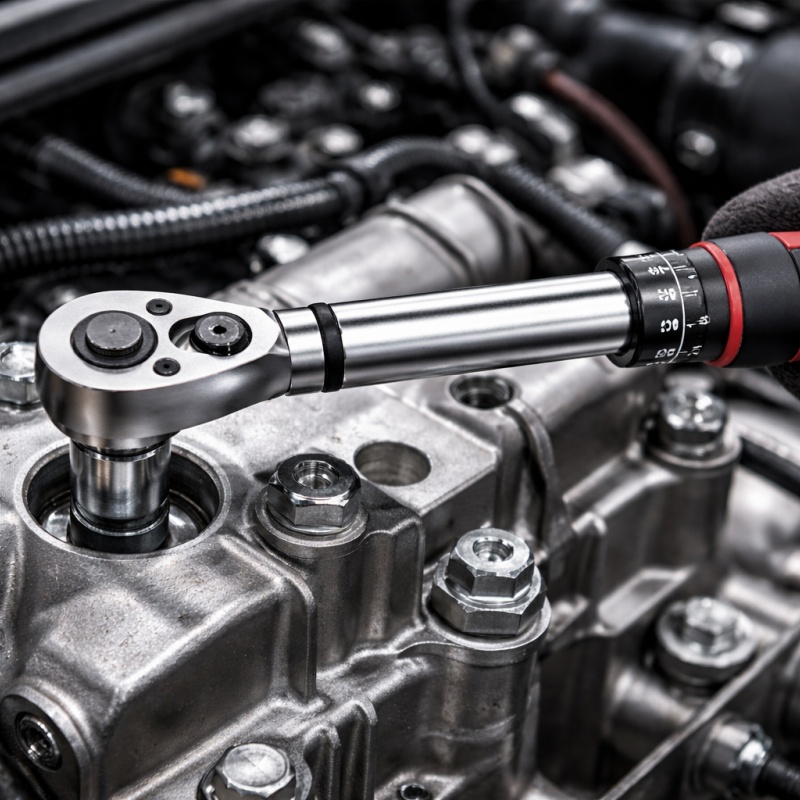
Ratchets are especially useful in tight spaces where movement is limited. Their ability to rotate continuously without being removed from the fastener makes them ideal for tasks that require frequent adjustments, such as auto repair, mechanical work, or construction projects.
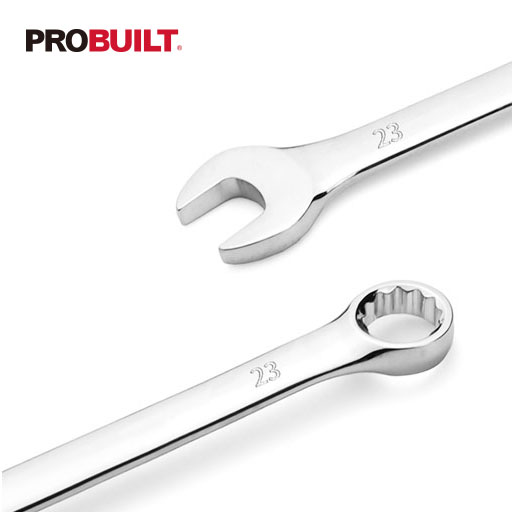
A wrench, often referred to as a spanner, is a simple tool used to tighten or loosen fasteners. Unlike a ratchet, a traditional wrench requires you to reposition it after each turn. There are several types of wrenches, including adjustable wrenches, combination wrenches, and socket wrenches. Wrenches are typically used for tasks that require a fixed amount of rotation or when the fastener is too tight for a ratchet to be effective.
Wrenches are ideal for situations where you need to exert more torque or for tasks where the fastener is positioned in such a way that a ratchet wouldn’t fit. They are commonly used in plumbing, electrical work, and general maintenance.
Ratchets: Allow for continuous rotation in one direction without needing to remove the tool, making them faster for repetitive tasks.
Wrenches: Require repositioning after each turn, which can be slower but provides more control in certain situations.
Ratchets: Best used for tasks that require continuous rotation in confined spaces, such as automotive repairs or assembling large mechanical structures.
Wrenches: Better suited for high-torque tasks and situations where the fastener is not easily accessible with a ratchet.
Ratchets: While convenient, they might not always provide the same level of torque as a wrench, especially in heavy-duty applications.
Wrenches: Often offer more precision and are better at applying higher amounts of torque without the risk of damaging the fastener.
Choosing between a ratchet and a wrench depends on several factors, including the type of project, the space you are working in, and the level of torque required. Here are a few considerations to guide your decision:
Consider the Space
If you are working in tight or hard-to-reach spaces, a ratchet is usually the better option. The ratcheting mechanism allows for easy rotations without needing to remove the tool, making it a practical choice for cramped work areas.
Task Duration
For projects that involve a lot of repetitive rotations, such as assembling furniture or working on machinery, a ratchet can speed up the process significantly. On the other hand, for tasks that require fewer rotations or greater precision, a wrench might be the better tool.
Level of Torque
For projects that require higher torque, such as automotive repair or heavy-duty mechanical work, a wrench may be more suitable. Its design allows you to apply more force effectively. However, for moderate torque tasks, a ratchet with the proper socket attachment can also do the job.
Budget and Versatility
Ratchets are typically part of a socket set, which may increase the overall cost of purchasing them. Wrenches are generally more affordable and come in various types that can be used across different projects. If you have a limited budget or need a versatile tool for general tasks, a set of wrenches might be a more practical option.
Choosing between a ratchet and a wrench can make a significant difference in the efficiency and success of your project. Whether you need speed and convenience or precision and torque, understanding the unique advantages of each tool is key. If you’re still unsure which tool is right for your specific needs or if you need advice on selecting the best tools for your projects, feel free to contact us. Our team of experts is here to help guide you through the process and provide personalized recommendations to ensure you have the right tools for the job.

Copyright © Sinotools Industrial All Rights Reserved.. Technical Support:

 Live Help