+86 311 8533 5186
In the highly competitive world of hand tool manufacturing, ensuring product quality is paramount. Manufacturers rely on various methods, such as visual inspection and strength/hardness testing, to guarantee that their tools meet stringent durability, safety, and performance standards. These methods not only improve product reliability but also help earn customer trust across industries ranging from construction to automotive repair. This article will explore fundamental testing techniques commonly used in hand tool manufacturing.
The importance of quality control in hand tool manufacturing cannot be overstated. A single defect can lead to tool failure, safety hazards, or loss of reputation. That's why manufacturers implement a range of testing methods to ensure that each tool meets industry standards and customer expectations. These methods span from basic mechanical testing to sophisticated technological evaluations.
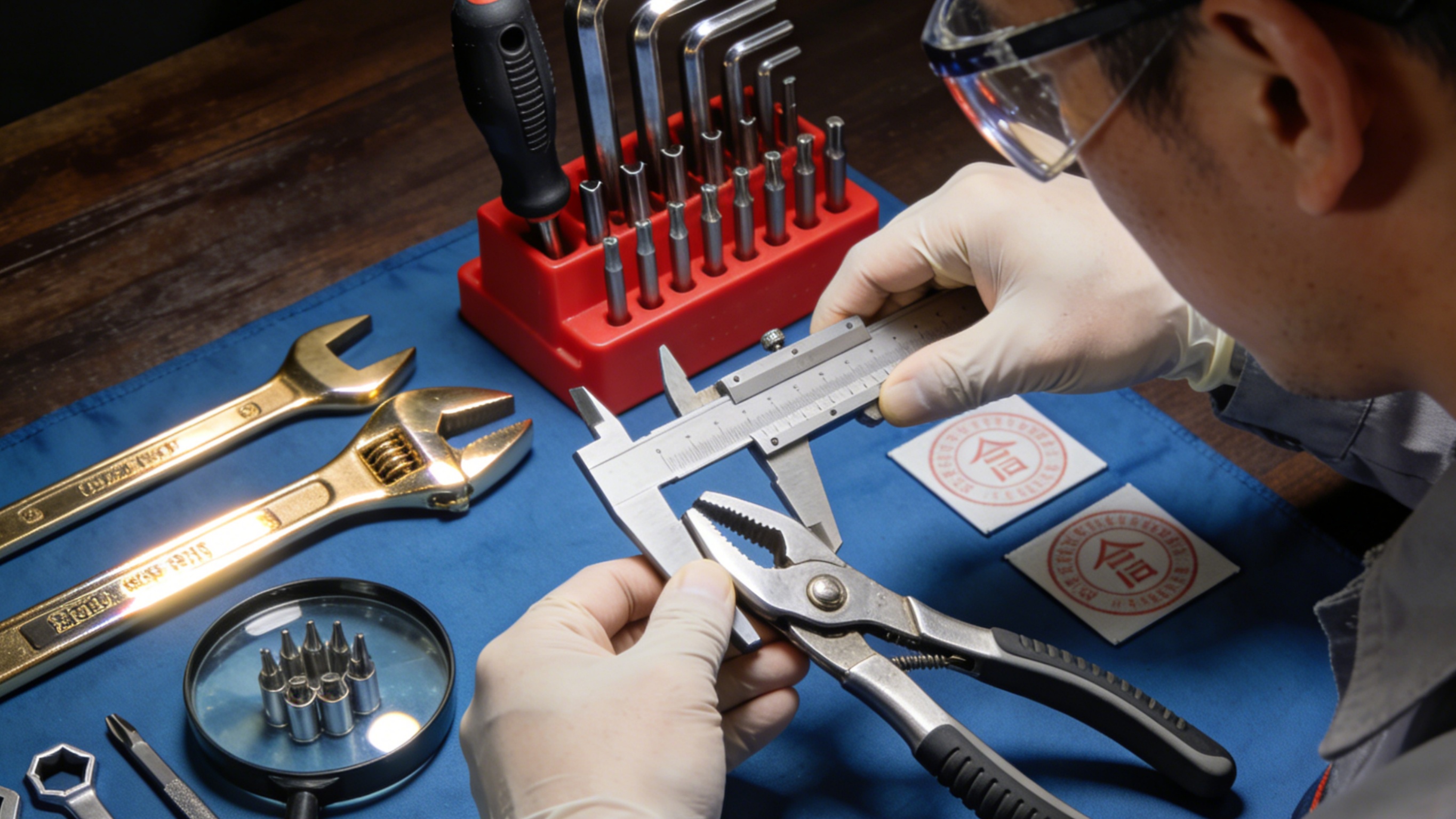
The first step in any quality control process is visual inspection. This method allows manufacturers to check for any visible defects or imperfections in the tool's appearance. From surface blemishes to misalignments, visual inspection helps ensure that the product is aesthetically sound and free from obvious flaws.
Tensile strength testing measures the force required to pull a tool apart. This test is crucial for ensuring that hand tools can withstand the physical stresses they are designed for. Whether it's a hammer, wrench, or pliers, tensile strength testing helps manufacturers assess the tool's ability to perform under heavy loads.
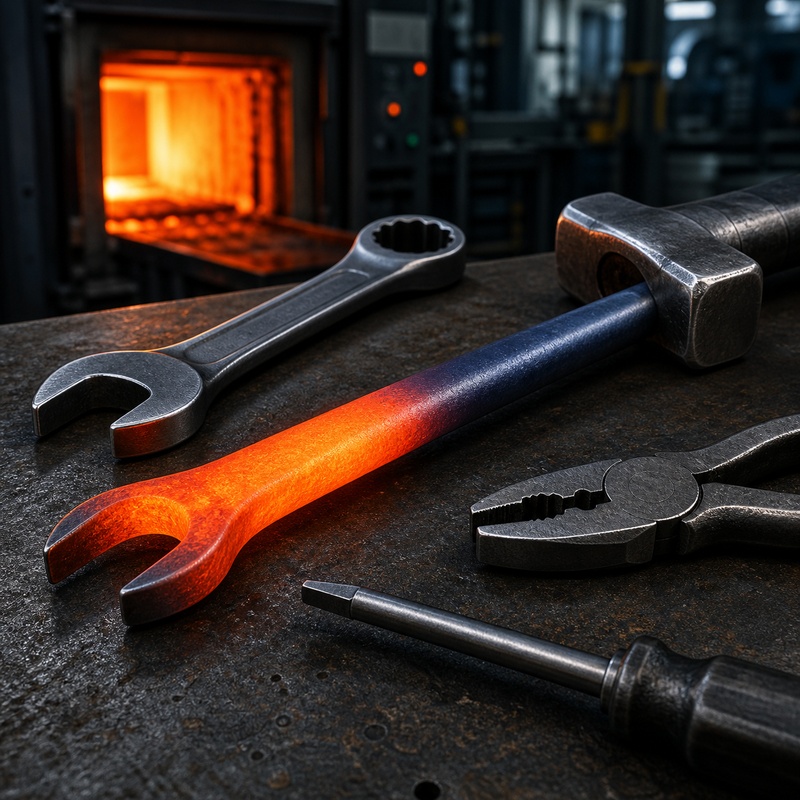
Hardness testing evaluates the resistance of a tool to indentation and wear. Different hand tools require different levels of hardness depending on their intended use. For example, chisels need to be harder than screwdrivers, as they are designed to withstand more intense pressure. Many Manufacturers use methods like the Rockwell or Brinell tests to measure hardness and ensure tools maintain their durability over time.
Impact testing measures how well a tool can absorb shock and withstand sudden forces without breaking or deforming. Tools like hammers and pry bars undergo impact testing to simulate real-world conditions where they might experience sudden blows or shocks. This ensures they remain reliable and functional under extreme conditions.
Hand tools, especially those made from steel, are vulnerable to corrosion. Corrosion resistance testing involves exposing tools to harsh environments, such as saltwater, to simulate long-term exposure to moisture and other corrosive elements. Tools that pass this test are less likely to rust or degrade over time, ensuring they maintain their performance.
In recent years, automation has revolutionized the way hand tools are tested. Automated testing machines can perform consistent and repeatable tests with high precision, reducing human error and increasing efficiency. These systems can conduct multiple tests simultaneously, significantly speeding up the manufacturing process while maintaining the same high standards of quality.
Machine vision systems use high-resolution cameras and sensors to inspect tools for any defects. These systems can detect even the smallest imperfections, ensuring that every tool leaving the production line is of the highest quality. They are particularly useful in visual inspection, providing more accurate results than manual methods.
Automated systems can conduct tensile strength and hardness tests more efficiently than traditional methods. These machines apply precise forces and measure the tool's response, offering more accurate readings and faster results. With automated testing, manufacturers can ensure that each tool meets the required standards without delays.
Top-quality hand tools are the result of rigorous testing and continuous improvement. Manufacturers use a combination of visual, mechanical, and advanced automated testing methods to ensure that every tool is up to the task. By employing a comprehensive range of testing techniques, hand tool manufacturers can produce durable, reliable, and high-performance tools that meet the demands of various industries.
As an experienced hand tool manufacturer, we hope our product quality will satisfy you. If you are interested in hand tools, please contact us to learn more. We look forward to cooperating with you.

Copyright © Sinotools Industrial All Rights Reserved.. Technical Support:

 Live Help