+86 311 8533 5186
Chrome vanadium steel, often marked Cr-V or CrV, is an alloy steel commonly used for hand tools that need a balance of strength, toughness, wear resistance, and corrosion protection. For buyers, the label alone is not a complete quality guarantee: heat treatment, hardness range, forging quality, finish, and testing method determine how a finished tool performs.
Cr-V refers to steel alloyed primarily with chromium and vanadium. In practical hand-tool manufacturing, chromium can support hardenability and corrosion resistance, while vanadium helps refine the steel grain structure and support strength and wear resistance. The final properties depend on the full alloy recipe and manufacturing process—not simply on whether “Cr-V” appears on the product.
Cr-V is widely specified for sockets, wrenches, pliers, screwdrivers, and other load-bearing tools. It is especially useful where a tool must resist repeated force without becoming overly brittle.
| Benefit | Why it matters in use | What buyers should verify |
|---|---|---|
| Strength | Helps tools withstand turning, gripping, or impact loads | Material declaration and functional test |
| Toughness | Reduces the chance of sudden brittle failure | Heat-treatment control and sample testing |
| Wear resistance | Supports longer service life at working surfaces | Hardness target and finish quality |
| Corrosion resistance | Helps protect tools during storage and use | Plating/finish and salt-spray requirement where relevant |
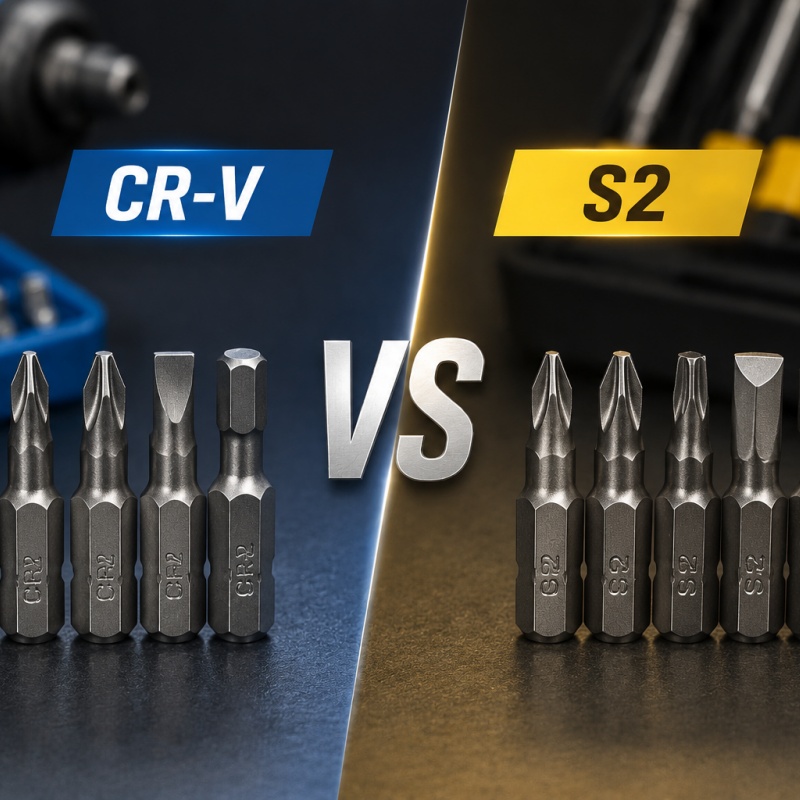
Cr-V is not automatically the best choice for every component. For example, screwdriver bits often need a different balance of hardness and impact resistance than a socket body. Select the material according to the tool’s duty cycle and expected application.
Carbon steel can be economical and suitable for lighter-duty or price-sensitive tools. Cr-V is usually preferred for professional and heavy-duty hand tools because it can provide a stronger performance balance after proper processing. A meaningful comparison should include:
Intended application and load.
Required hardness and torque performance.
Surface finish and corrosion-protection requirement.
Tool geometry and manufacturing method.
Target price, service life, and warranty expectations.
Avoid comparing materials by name alone. Ask the supplier to provide a sample, test method, and agreed acceptance criteria.
Before approving a bulk order, request the following information:
The product specification, including material designation for each critical part.
A stated hardness range for applicable working areas.
Details of the manufacturing process, such as forging or other forming method.
The coating or plating specification and appearance standard.
Functional tests relevant to the product, such as torque, jaw alignment, or fitment.
Pre-shipment inspection criteria, sampling level, and packaging requirements.
For branded programs, retain an approved “golden sample” so that later production can be checked against the same visual and functional standard.
Choose by customer segment, not by alloy label alone. Retail starter sets may prioritize clear markings, safe packaging, and broad utility. Professional distributors may need higher torque confidence, tighter fit, durable finishes, and replacement continuity. Automotive or industrial users may require application-specific specifications and documented testing.
Explore ProBuilt categories for wrenches, socket tools, and pliers when building a Cr-V hand-tool assortment.
Cr-V can be an excellent hand-tool material when the tool is properly designed and heat treated. It is commonly used for durable, load-bearing tools, but final quality must be verified through specifications and testing.
No. Cr-V can improve corrosion resistance, but it does not make a tool rust-proof. Storage conditions, coating quality, and maintenance still matter.
It is often a better fit for demanding hand-tool applications, but “better” depends on required performance, cost, and use case. Compare finished-tool performance rather than relying on a material name alone.
Ask for the approved specification, relevant test criteria, sample confirmation process, finish standard, inspection plan, MOQ, lead time, and packaging options.
In summary, Chrome Vanadium Steel (Cr-V) is valued in hand tools for its combination of durability, strength, and resistance to wear and corrosion. These characteristics make it a popular choice for wrenches, sockets, pliers, screwdrivers, and many other professional-grade tools.
For buyers, understanding the role of Cr-V steel can make it easier to compare products and identify tools designed for demanding working environments. However, material quality should always be considered alongside manufacturing standards and overall tool design.
Need help selecting the right hand tools for your market? Contact Probuilt Tools to explore our product range and discuss OEM/ODM solutions tailored to your business requirements.

Copyright © Sinotools Industrial All Rights Reserved.. Technical Support:

 Live Help